Finlandia Hall

UNESCO World Heritage Site in Helsinki

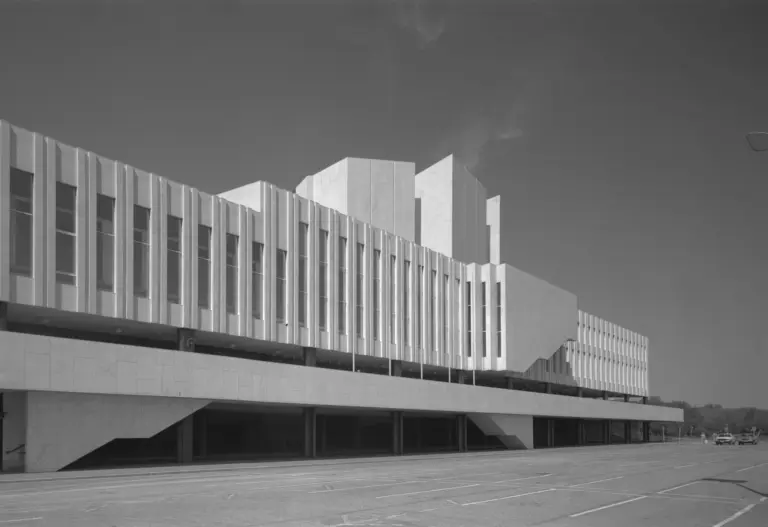
Finlandia Hall is part of the Aalto Works World Heritage ensemble, which consists of 13 sites designed by Alvar Aalto in Finland.

Finlandia Hall as part of the Aalto Works World Heritage ensemble

Aalto Works series of sites represent different phases and types of Aalto’s architecture – from public buildings and cultural sites to residential buildings and university and church architecture. 

The Aalto Works was added to the UNESCO World Heritage List in July 2026 in recognition of the ensemble’s exceptional significance in the history of modern architecture. Finlandia Hall is one of the most recognized sites in this ensemble and one of Helsinki’s most significant landmarks. 

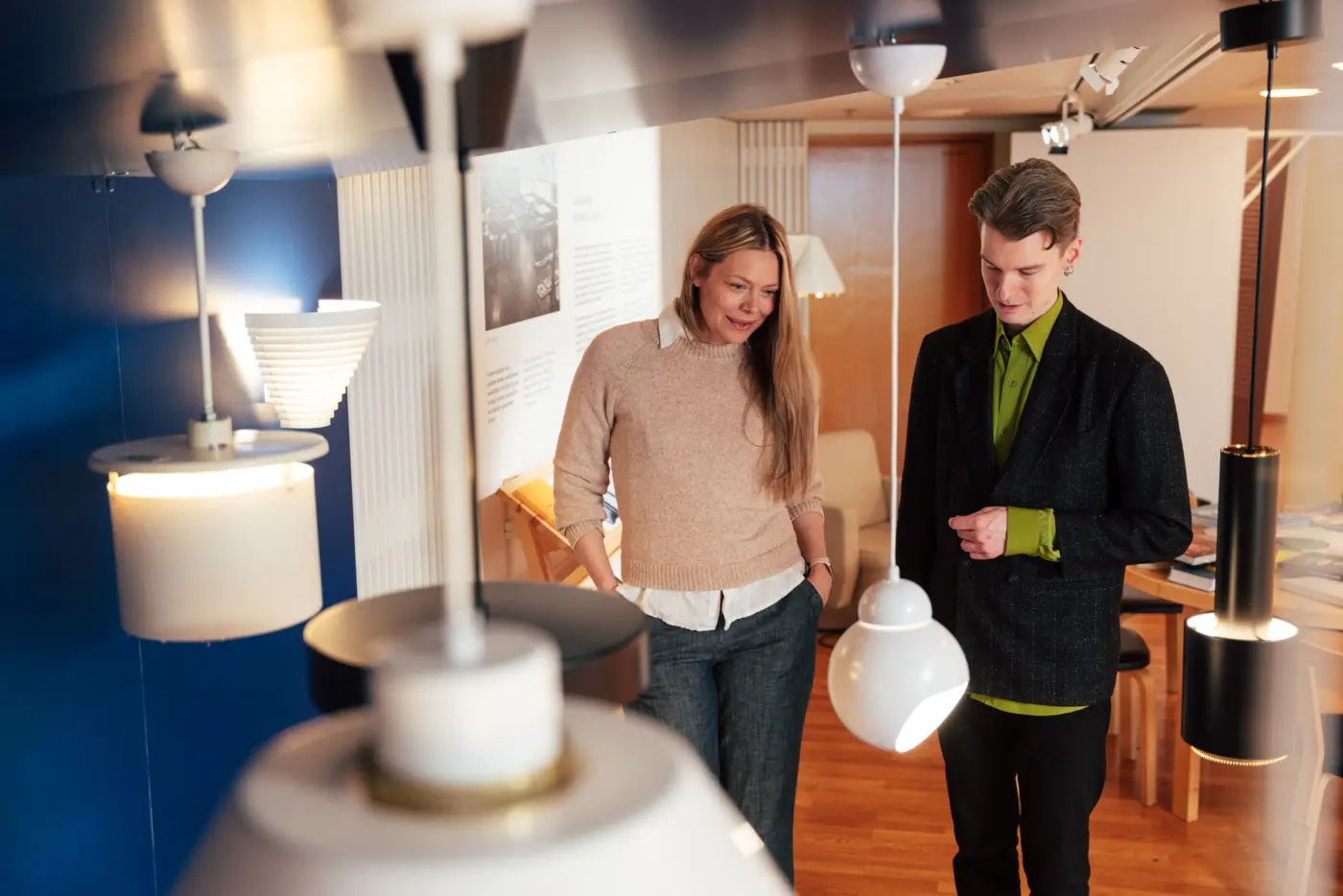
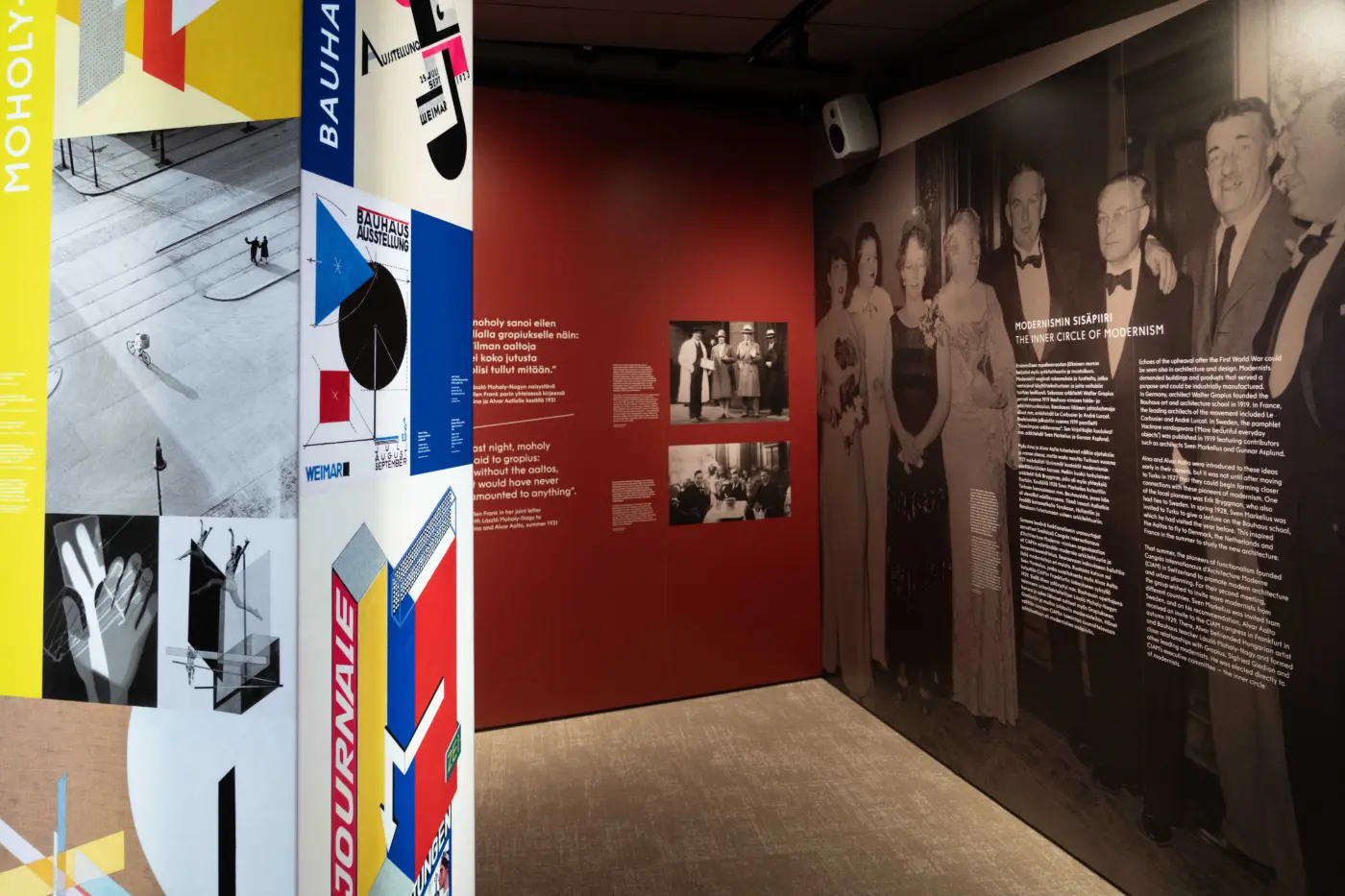
Finlandia Hall serves as a gateway to the Aalto Works World Heritage ensemble. During your visit, you will receive a comprehensive introduction to Aalto’s architecture and design, as well as practical tips for discovering and touring other sites. This way, the entire World Heritage ensemble forms a cohesive and deeper experience. 
The Helsinki tourist information will operate in Finlandia Hall from July 30, 2026 to August 29th 2026. The guides of the City of Helsinki, known as Helsinki Helps, are happy to tell visitors about both Finlandia Hall and other sites in the Aalto Works ensemble in Helsinki.

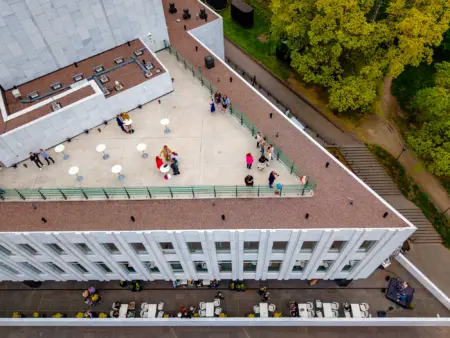
Finlandia Hal, 1962/1967–75. 103268. Façade. Photo Kari Hakli © Alvar Aalto -foundation.

What is the significance of Aalto Works?

According to UNESCO experts, Aalto Works represents an exceptionally significant phase in the history of modern architecture. The ensemble demonstrates how the principles of international modernism combined with Finnish building traditions, environment, and human-centered design in a way that influenced the development of modern architecture even beyond Finland’s borders.

The World Heritage status recognizes not only the architectural value of the buildings but also their cultural significance as part of the world’s shared built heritage.

“The starting point of the empathic design approach lies in the individual experience, but produces architecture that supports experiences of citizenship, solidarity, and community.” – Aalto Works Executive Summary, UNESCO World Heritage Center

Aalto Works Alvar Aalto’s studio, Helsinki • Alvar Aalto’s home, Helsinki • Finlandia Hall, Helsinki • University of Jyväskylä, Aalto Campus, Jyväskylä • Main building of the Finnish Pension Agency, Helsinki • Church of the Three Crosses, Imatra • Cultural House, Helsinki • Muuratsalo Experimental House, Jyväskylä • Paimio Sanatorium, Paimio • Villa Mairea, Pori • Seinäjoki Administrative and Cultural Center, Seinäjoki • Sunila Factory Residential Area, Kotka • Säynätsalo Town Hall, Jyväskylä

Aalto Works Alvar Aalto’s studio, Helsinki • Alvar Aalto’s home, Helsinki • Finlandia Hall, Helsinki • University of Jyväskylä, Aalto Campus, Jyväskylä • Main building of the Finnish Pension Agency, Helsinki • Church of the Three Crosses, Imatra • Cultural House, Helsinki • Muuratsalo Experimental House, Jyväskylä • Paimio Sanatorium, Paimio • Villa Mairea, Pori • Seinäjoki Administrative and Cultural Center, Seinäjoki • Sunila Factory Residential Area, Kotka • Säynätsalo Town Hall, Jyväskylä

Aalto Works Alvar Aalto’s studio, Helsinki • Alvar Aalto’s home, Helsinki • Finlandia Hall, Helsinki • University of Jyväskylä, Aalto Campus, Jyväskylä • Main building of the Finnish Pension Agency, Helsinki • Church of the Three Crosses, Imatra • Cultural House, Helsinki • Muuratsalo Experimental House, Jyväskylä • Paimio Sanatorium, Paimio • Villa Mairea, Pori • Seinäjoki Administrative and Cultural Center, Seinäjoki • Sunila Factory Residential Area, Kotka • Säynätsalo Town Hall, Jyväskylä

Aalto Works Alvar Aalto’s studio, Helsinki • Alvar Aalto’s home, Helsinki • Finlandia Hall, Helsinki • University of Jyväskylä, Aalto Campus, Jyväskylä • Main building of the Finnish Pension Agency, Helsinki • Church of the Three Crosses, Imatra • Cultural House, Helsinki • Muuratsalo Experimental House, Jyväskylä • Paimio Sanatorium, Paimio • Villa Mairea, Pori • Seinäjoki Administrative and Cultural Center, Seinäjoki • Sunila Factory Residential Area, Kotka • Säynätsalo Town Hall, Jyväskylä

Aalto Works Alvar Aalto’s studio, Helsinki • Alvar Aalto’s home, Helsinki • Finlandia Hall, Helsinki • University of Jyväskylä, Aalto Campus, Jyväskylä • Main building of the Finnish Pension Agency, Helsinki • Church of the Three Crosses, Imatra • Cultural House, Helsinki • Muuratsalo Experimental House, Jyväskylä • Paimio Sanatorium, Paimio • Villa Mairea, Pori • Seinäjoki Administrative and Cultural Center, Seinäjoki • Sunila Factory Residential Area, Kotka • Säynätsalo Town Hall, Jyväskylä

Aalto Works Alvar Aalto’s studio, Helsinki • Alvar Aalto’s home, Helsinki • Finlandia Hall, Helsinki • University of Jyväskylä, Aalto Campus, Jyväskylä • Main building of the Finnish Pension Agency, Helsinki • Church of the Three Crosses, Imatra • Cultural House, Helsinki • Muuratsalo Experimental House, Jyväskylä • Paimio Sanatorium, Paimio • Villa Mairea, Pori • Seinäjoki Administrative and Cultural Center, Seinäjoki • Sunila Factory Residential Area, Kotka • Säynätsalo Town Hall, Jyväskylä

See the UNESCO site in depth – guided Finlandia Hall tours now available

Explore Finlandia Hall on a guided tour and experience one of Finland’s most famous buildings under the guidance of the hall’s own staff.

On the tour, you will hear about Finlandia Hall’s history, architecture, and current activities, and get to know the building’s key spaces. At the same time, you will gain a unique perspective on how this iconic building lives and serves visitors today.

Tickets for guided tours are available from Finlandia Hall’s own online store or on-site.

Read more about the tours

What is a World Heritage site?

UNESCO (the United Nations Educational, Scientific and Cultural Organization) is a specialized agency whose mission is to promote international cooperation in education, science, culture, and communication, and to protect the world’s cultural and natural heritage. 

UNESCO World Heritage sites are cultural and natural sites that have exceptional significance for all humanity. Sites are selected based on their unique universal value and are inscribed on the UNESCO World Heritage List to ensure their preservation and protection for future generations.

World Heritage sites can include historical cities, archaeological sites, significant buildings, national parks, or unique natural areas. Currently, the World Heritage List includes over 1,200 sites from around the world.
 

Finlandia Hall is a UNESCO site full of services

Finlandia Cafe&Wine

During your visit, you can also dine and stay at Finlandia Hall. Finlandia Cafe&Wine’s lunch returns from summer break on August 4, 2026, and the café offers a hearty soup lunch on weekdays. In addition to lunch, a variety of specialty coffees, quality wines, and other refreshments, as well as savory and sweet display products are continuously available.

Finlandia Homes

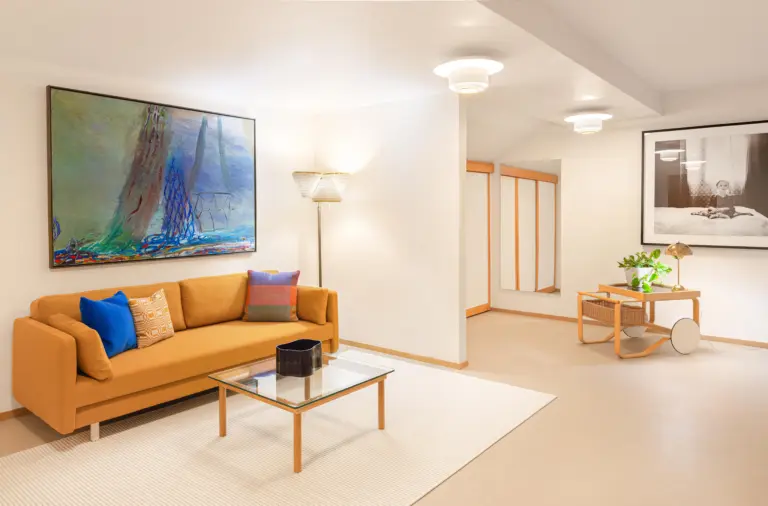
Originally intended for the employees of Finlandia Hall, the Finlandia Homes apartments have been renovated and decorated in respect of Aalto’s style, combining modern classics with the building’s original furniture. Our guests can enjoy Finnish design alongside art, such as the stunning artworks from the Helsinki Art Museum HAM.

Finlandia Shop

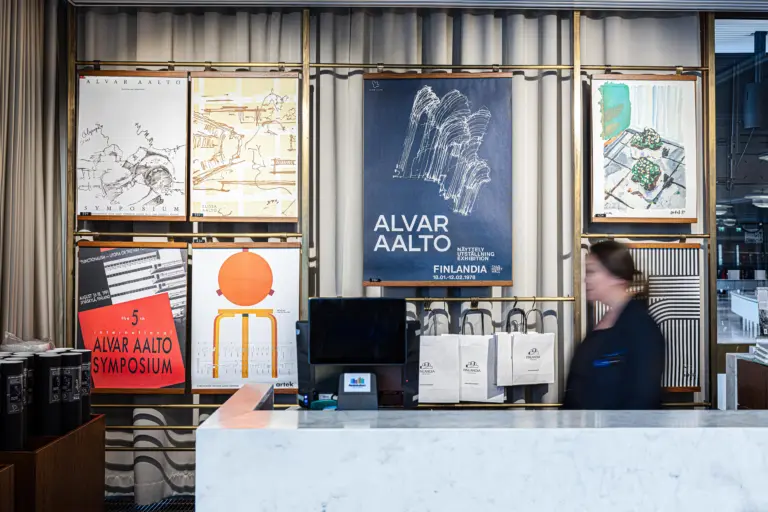
The charming design shop at Finlandia Hall offers a carefully curated selection of stylish products, including jewellery, souvenirs, homeware and inspiring books.

A limited special edition of Alvar Aalto’s iconic Stool 60 is also currently available – exclusively at Finlandia Hall.

Finlandia Bistro

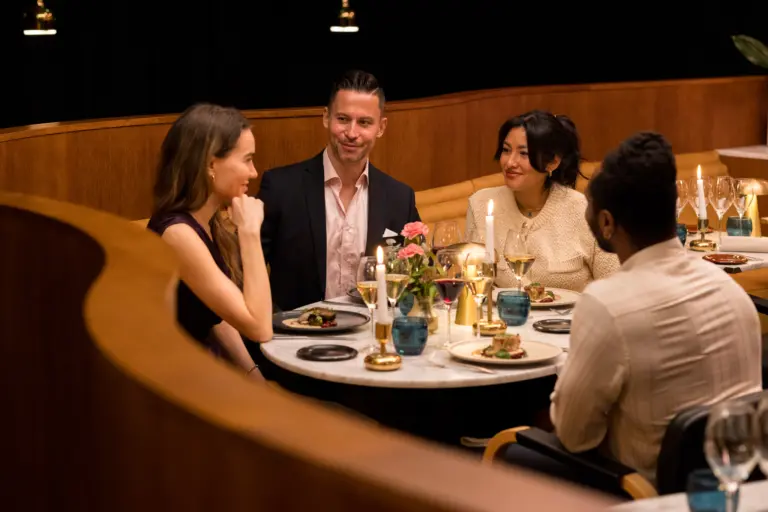
Finlandia Bistro, the event and private dining restaurant at Finlandia Hall, has been shortlisted for this year’s Prix Versailles, recognising it as a candidate for the title of one of the world’s most beautiful restaurants.

With a focus on Finnish ingredients, locally sourced produce and craftsmanship, the restaurant combines Nordic traditions with international influences in a contemporary culinary experience.